

From Lava to Life: How Pumice Naturally Purifies Water for a Healthier You
Discover how nature’s floating rock transforms water into a cleaner, healthier source of hydration
By Kegomoditswe Mosime
Published: 16 June 2025
How could a violent volcanic eruption lead to cleaner, healthier water? Sounds crazy, right? But science has some surprisingly beautiful answers. When a volcano erupts, it spews out scorching lava, which is dangerous and destructive. Yet, as this molten rock cools, it creates pumice, a lightweight volcanic stone characterised by tiny air pockets. These natural pores give pumice the ability to act as a natural filter, trapping toxins, heavy metals, and even harmful bacteria from water.
Sometimes, nature’s most intense moments forge the purest solutions hidden in plain sight, floating right on the surface.
Fun Fact: The Rock That Floats!
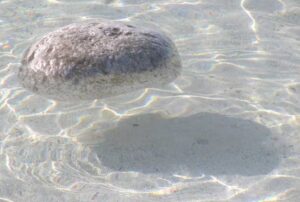
Pumice is the only rock that floats on water!
(Fauria, Manga & Wei, 2017).
That’s because it’s filled with thousands of tiny air bubbles trapped inside during its formation.
It’s like nature’s version of a sponge, but it is made of volcanic rock.
How Is Pumice Formed?
How Volcanic Eruptions Create Porous Pumice Rocks
Pumice is a distinctive type of volcanic rock formed during explosive volcanic eruptions. When hot, melted rock called magma is violently ejected, it cools down rapidly. This rapid cooling traps gas bubbles inside the rock. These gas bubbles remain in the rock, giving it a lightweight, porous structure. As a result, pumice possesses the unique ability to float on water.
Think of it like opening a fizzy drink after shaking it: the carbon dioxide rushes out in bubbles. A similar thing happens during a volcanic eruption. The lava, filled with gas, cools so quickly that the bubbles get locked into place, turning the lava into a foamy-looking rock called pumice(Helmenstine, 2021).
Pumice can also form when magma interacts with water, such as in the ocean. The lava cools so rapidly that it turns into rock before the gas bubbles can escape. This quick cooling gives pumice its foamy, bubbly appearance, which makes it rough, light, and full of holes, almost like a rock-shaped sponge. Due to its extremely high porosity (up to 85% by volume!), pumice can float on water, sometimes for years, before it becomes waterlogged and sinks.
Unlike other rocks, pumice cools down so fast that its atoms don’t have time to arrange themselves neatly into a crystal structure. This gives it a rough, glassy appearance, filled with tiny holes trapped inside. That is why pumice is called a mineraloid, a type of natural glass.
DID YOU KNOW:
Pumice rock has many tiny holes, which can be round, long, or tube-shaped. Thin walls form these cavities, sometimes so delicate they appear clear like glass. Although pumice is mostly made of volcanic glass, it can also contain tiny crystal fragments.
A Rock with Many Faces and Unexpected Uses
When pumice is crushed into fine powder, it becomes pumicite, also known as volcanic ash. Its mineral makeup often includes high levels of silica, which gives it a light colour that is white, grey, or cream. However, depending on the mineral content of the lava, it can also appear yellow, brown, blue, green, or even black.
There are two types of air bubbles trapped inside pumice:
- Long and thin bubbles that can make the rock feel soft or silky.
- Round bubbles form when lava has a lot of gas pressure during eruption.
Pumice is found in regions with volcanic activity, such as Italy, Turkey, the United States, Greece, and Russia. Pumice rock is used in everything from stone-washed jeans and beauty scrubs to cleaning products, cement, and even gardening soil to help retain moisture.
But beyond these everyday uses, pumice is also a quiet champion in clean water innovation, thanks to its natural ability to filter and purify water without removing beneficial minerals (Helmenstine, 2019).
Pumice’s naturally porous structure makes it a surprisingly powerful and eco-friendly water filter.
How Pumice Filters Water: The Natural Filtration Power of This Volcanic Rock
Pumice excels as an effective natural filtration medium due to its unique porous structure, which functions similarly to a sponge, trapping contaminants. Its tiny cavities efficiently absorb pollutants such as ammonia, heavy metals (like lead, arsenic, and mercury), and phosphates, significantly reducing water toxicity
(Techfil, n.d.). The minerals found in pumice are silica, alumina, calcium, iron, magnesium, potassium, and sodium, which enhances its ability to trap and prevent toxins from remaining in the water, and along with its rough surface, encourage the growth of beneficial microorganisms, leading to the formation of a biofilm that will naturally break down organic pollutants(Agirman, 2021). This powerful filtration process also helps remove sediments, bacteria, and even some heavy metals, leaving behind clean, mineral-rich water
(IJSRET, 2020).
A Sustainable Solution: Why Pumice is the Eco-Friendly Alternative for Clean Water
Pumice offers a sustainable and chemical-free alternative for water purification. Unlike man-made filtration materials such as plastic filters, carbon filters, and synthetic fibers, often made from non-biodegradable materials, pumice is a reusable option(Keiken Engineering, 2020). Its ability to support natural filtration and provide a safe, non-reactive solution for drinking water systems makes it a reliable and eco-friendly choice for ensuring clean water. Furthermore, pumice rock plays a crucial role in primary and secondary filtration stages, efficiently purifying large volumes of water to ensure households receive safer, cleaner water for daily use(Pumice Filtration Media, n.d).

Now, let’s take a sip—literally.
Because what comes next might just change the way you drink water forever.
The Ripple Effect: How Clean Water Transforms Your Health
Access to clean, purified water is not just about hydration. It is about overall health and well-being. Pumice’s ability to filter heavy metals, toxins, and harmful bacteria means that every sip of water is cleaner, safer, and more nourishing. But what does that mean for your body? Let’s explore:
- Improved Digestion and Detoxification:
Clean, toxin-free water supports your digestive system by helping your body break down food and absorb nutrients more effectively. Heavy metals like lead and mercury can disrupt gut health, but pumice filtration helps keep these contaminants out of your drinking water, as noted by the World Health Organization.
- Enhanced Skin Health:
Water that’s free of impurities hydrates your skin from within, maintaining elasticity and a natural glow. Pollutants and heavy metals in unfiltered water may contribute to skin issues, but with pumice-purified water, your skin gets the clean hydration it needs. Research from the National Institutes of Health explores how internal hydration benefits skin health. - Boosted Immune System:
Bacteria and microbes in unfiltered water can challenge your immune system. Pumice helps filter these out, reducing the risk of waterborne illness and allowing your immune system to stay focused on other threats. The Centers for Disease Control and Prevention highlight how clean water directly impacts immune health. - Mineral Retention for Balanced Hydration:
Unlike synthetic filters, pumice doesn’t strip away beneficial minerals like calcium and magnesium, key players in hydration balance, nerve function, and bone health. According to the National Institutes of Health, these minerals are essential for maintaining proper bodily function. - Eco-Friendly Filtration for a Sustainable Future:
Pumice is a natural, reusable material that offers an environmentally friendly alternative to single-use plastic filters. Its unique porous structure allows effective water purification with less waste. A study on pumice in water treatment supports its sustainable role in filtration systems.
Clean water is more than a thirst-quencher; it’s a life enhancer. By filtering out impurities while retaining natural minerals, pumice-purified water supports your body’s core functions, promoting health from the inside out.
From Fire to Flow: The Quiet Key to Better Health
Nature Always Finds a Way to Restore Balance. Even in its most chaotic moments, nature has a way of healing itself and us. Volcanic eruptions may seem like pure destruction, but from that molten fury comes pumice: a light, porous rock with the power to purify. Pumice doesn’t just filter water; it enhances it, naturally removing toxins, bacteria, and heavy metals. Ordinary water is transformed into a cleaner, mineral-rich source of true hydration. This then supports your digestion, skin, energy, and overall vitality. So, the next time you take a sip, ask yourself:
Is your water working for your health?
Could a volcanic rock, born in fire and cooled by nature, be the quiet key to a more radiant, balanced you? Maybe the secret to better health has been hidden in plain sight all along… floating right on the surface.
It Is Worth Something Today
References
- World Health Organization. (2017). Guidelines for drinking-water quality: Fourth edition incorporating the first addendum. https://www.who.int/publications/i/item/9789241549950
- National Institutes of Health. (2020). Hydration and health: A review. Nutrition Reviews, 78(Supplement_1), 21–28. https://www.ncbi.nlm.nih.gov/pmc/articles/PMC6060557/
- Centers for Disease Control and Prevention. (2023). Water-related diseases and contaminants in public water systems. https://www.cdc.gov/healthywater/drinking/public/water_diseases.html
- National Institutes of Health. (2021). Calcium and magnesium in drinking water and health outcomes. Office of Dietary Supplements. https://ods.od.nih.gov/factsheets/Magnesium-HealthProfessional/
- Agirman, B. (2021). Performance of natural pumice in removing heavy metals and bacteria from water. Journal of Environmental Chemical Engineering, 9(1). https://doi.org/10.1016/j.jece.2020.104605
- Fauria, K. E., Manga, M., & Wei, Z. (2017). Pumice as a record of eruptive processes: Porosity and permeability. Earth and Planetary Science Letters, 460, 50–58. https://doi.org/10.1016/j.epsl.2016.11.002
- Helmenstine, A. M. (2021). Pumice Facts: How and Why It Floats. ThoughtCo. https://www.thoughtco.com/what-is-pumice-formation-properties-4172923
- Helmenstine, A. M. (2019). Uses for Pumice in Everyday Life. ThoughtCo. https://www.thoughtco.com/uses-of-pumice-4177904
- International Journal of Scientific Research & Engineering Trends (IJSRET). (2020). Effectiveness of Natural Pumice as a Filter Media for Wastewater Treatment. https://ijsret.com/2020/01/08/effectiveness-of-natural-pumice-as-a-filter-media/
- Keiken Engineering. (2020). Water Filtration with Pumice. https://www.keiken-engineering.com
- Pumice Filtration Media. (n.d.). Natural Filtration Solution for Industrial & Drinking Water Treatment. Techfil Europe. https://www.techfil.com/pumice-filtration-media
- Techfil Europe Ltd. (n.d.). Pumice Filtration Media. https://www.techfil.com/pumice-filtration-media
- Ali, N., & Khan, M. A. (2019). Natural pumice as an eco-friendly filtration media for water treatment. Environmental Science and Pollution Research, 26(12), 12084–12095. https://doi.org/10.1007/s11356-019-04671-z


Leave a Reply